What is the practical difference between LiFePO4 and NMC?
LiFePO4 prioritizes thermal stability and frequent cycling; NMC puts more energy into a smaller, lighter pack. LiFePO4 uses a lithium-iron-phosphate cathode, while many conventional lithium-ion home batteries use a nickel-manganese-cobalt chemistry commonly called NMC. Both chemistries can work in energy storage systems when they are properly designed, protected and certified. The choice is not about one chemistry being universally "good" and the other "bad." It is about the duty cycle and the buyer's constraints.
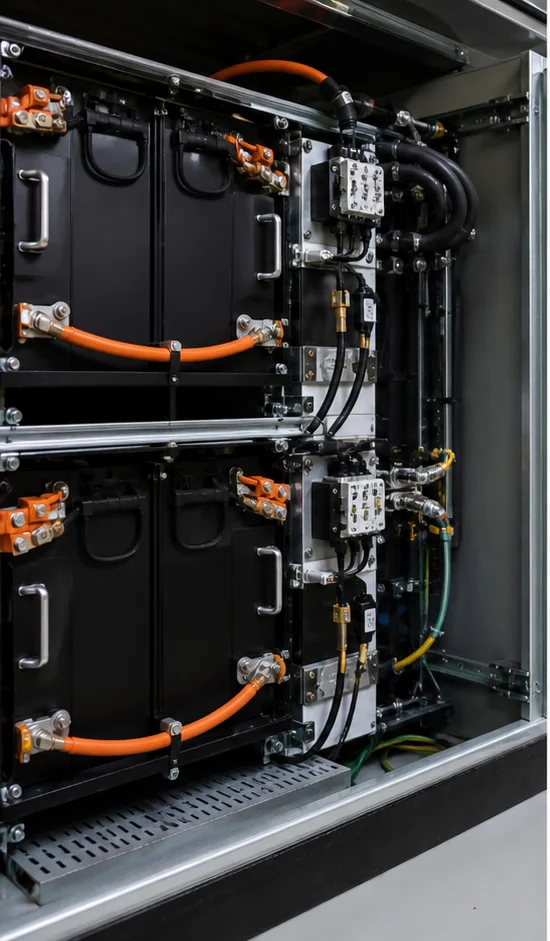
For a homeowner who charges from solar in the day and discharges every evening, useful life and heat tolerance often matter more than squeezing the pack into the smallest possible cabinet. That is why LiFePO4 has become the dominant chemistry in stationary battery storage: the IEA reports that LFP now accounts for around 90% of recent battery-storage deployments and notes its lower cost and suitability for frequent cycling. NMC remains useful where physical footprint and energy density are more important, including applications that cannot give up much volume or weight.
LiFePO4 vs NMC: side-by-side comparison
The comparison should be made on the installed system, not only on a cell-data-sheet number. A buyer needs to see how chemistry affects the warranty, the thermal-management approach, the available space and the expected use pattern.
| Decision point | LiFePO4 (LFP) | NMC lithium-ion |
|---|---|---|
| Main strength | Thermal stability and frequent-cycle use | Higher energy density in a compact footprint |
| Best fit | Daily solar shifting, backup systems, stationary cabinets | Space-constrained systems and high energy density needs |
| Cycle-life expectation | Often selected for a long cycling life; confirm the warranted test condition | Can be a strong option, but compare warranty conditions and thermal control carefully |
| Heat and safety design | Generally favoured for a wider thermal safety margin | Requires the same disciplined system design, with close attention to heat and protection |
| Physical size | More capacity may need more cabinet space | More energy can fit into a smaller or lighter package |
| Buyer question | "How many years can I cycle it and how is it protected?" | "How much energy can I fit in this space?" |
The table helps a buyer start the conversation, but it does not replace the actual product specification. A 10kWh LiFePO4 system and a 10kWh NMC system may have different usable-capacity rules, warranty end points, maximum charge/discharge rates, inverter compatibility and installation requirements. Ask the supplier to explain those conditions in one short project sheet rather than presenting a generic chemistry claim.
When LiFePO4 is normally the better choice
Choose LiFePO4 when the system will cycle often and the buyer values long-term stability over the smallest cabinet. It is a common fit for solar-plus-storage projects that charge and discharge every day, garage or utility-room installations, and distributors that want a clear safety-and-warranty story. The chemistry's stationary-storage adoption gives buyers a useful reference point, but the real decision still belongs to the complete system: cells, BMS, enclosure, inverter, cooling, installation method and test documentation.
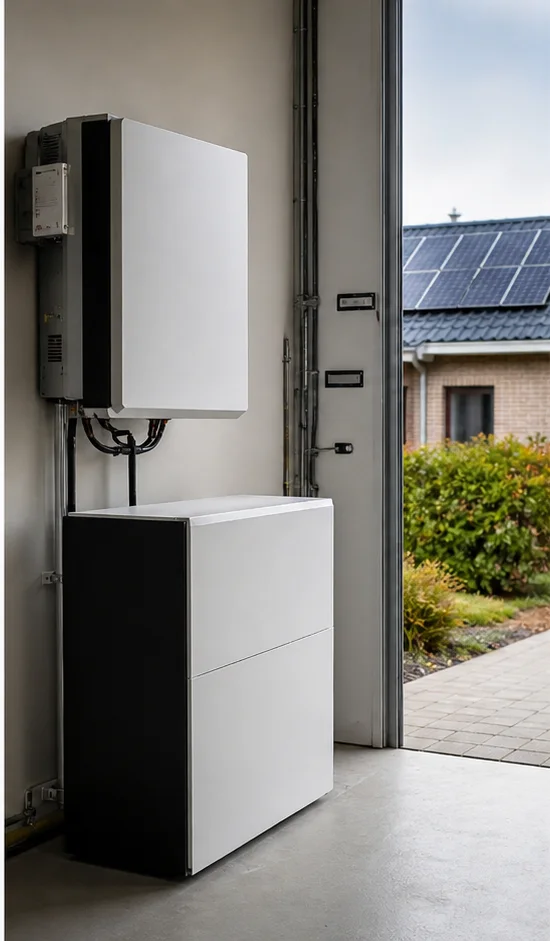
LiFePO4 is also a strong option when the project needs a simple commercial message. An installer can explain that the system was selected for frequent cycling and a stable stationary-storage route. That is more credible than claiming that one chemistry is "the best" without telling the buyer how the battery will be used.
When NMC can make more sense
Choose NMC when the project has a tight footprint and the supplier can show the full protection and warranty route. Higher energy density can be valuable in apartments, constrained plant rooms or portable systems where every kilogram and litre matters. The buyer should not assume that the smaller cabinet is automatically cheaper or better. Compare usable energy, the allowed depth of discharge, warranty throughput, ambient-temperature conditions and the service plan.
An NMC system may also be chosen to match an existing product ecosystem or inverter route. That is a valid reason, provided that the project team documents why the configuration fits the user rather than copying the chemistry from an unrelated project.
What the upfront price does not tell you
A battery's value comes from usable energy, warranty conditions and project fit, not from the lowest headline price. A lower purchase price can disappear if the system offers fewer usable cycles, needs more cooling, takes more maintenance or fails to meet the installation requirement. Conversely, a larger upfront investment can make sense if it gives the customer a clear warranty, predictable cycling route and lower replacement risk.

Before approving a quotation, compare the following items side by side:
- Usable kWh rather than nominal kWh alone.
- Warranty years, throughput and end-of-warranty capacity.
- Charge/discharge power and the temperature conditions attached to the claim.
- BMS functions, inverter compatibility and fault-reporting process.
- Required test reports, transport documents and destination-market certifications.
- Cabinet size, installation clearances and service access.
This checklist turns a chemistry article into a real buying tool. It also helps the sales team avoid a common mistake: quoting cell chemistry before the buyer has described the application.
A buyer checklist before requesting a quote
A useful quote starts with the project profile, not only a request for a battery price. Give the supplier the daily energy target, backup-hours target, available installation space, location, intended inverter, target country and expected cycling pattern. Then ask the supplier to recommend the chemistry and configuration against those facts.
For a residential project, include whether the system will mainly back up outages or shift solar power every day. For a commercial project, include the peak-load profile, operating hours and whether the system will be controlled by an energy-management system. The more specific the input, the more meaningful the supplier's chemistry recommendation becomes.
Frequently asked questions
Is LiFePO4 safer than NMC for home storage?
LiFePO4 is widely selected for stationary storage because of its thermal-stability profile. Safety still depends on the complete system design, including the BMS, enclosure, installation, charger/inverter integration and applicable certifications.
Does LiFePO4 always last longer?
LiFePO4 is often chosen for frequent cycling, but the warranty conditions matter more than a generic life claim. Compare cycle test method, depth of discharge, temperature range and the capacity guaranteed at the end of the warranty.
Is NMC a poor choice for a home battery?
No. NMC can be a sensible choice where space and energy density are the main constraint. The buyer should ask the supplier to show the protection, thermal-management and warranty route for the exact model.
What documents should I request?
Request the model-specific datasheet, warranty terms, installation requirements, transport documents and applicable test or certification evidence. The exact list depends on the market and product configuration.
Start a supplier conversation
Send a short project brief before asking for a final quote.
Include your target market, required specification, quantity and decision timing. It gives every supplier the same facts to answer.
Request a quote
Need supplier quotes you can compare?
Share your target market, quantity and key requirements. A clear brief makes it easier to compare the replies you receive.
Reading: Energy Storage

Written by
Leah Wong
Leah maps battery specifications, warranty conditions and document requirements into practical buying checklists for installer and distributor teams.
Reviewed and updated 2026-07-16
Keep researching
Related buyer guides

Energy Storage
Why Do Lithium Batteries Swell? Safe Next Steps and Prevention
A swollen lithium battery is a warning sign: stop using it, do not charge it and follow the manufacturer’s or local authority’s disposal guidance.
Read guide →
Energy Storage
5 Energy Storage Trends Buyers Should Watch in 2026
Energy storage is scaling quickly, but buyers still win by checking exact chemistry, duration, controls and documents rather than following a headline.
Read guide →Energy Storage
kW to kWh Calculator: Formula, Examples and a Useful Battery Sizing Check
kW measures power, kWh measures energy, and the basic calculation is kWh = kW × hours.
Read guide →